
 topten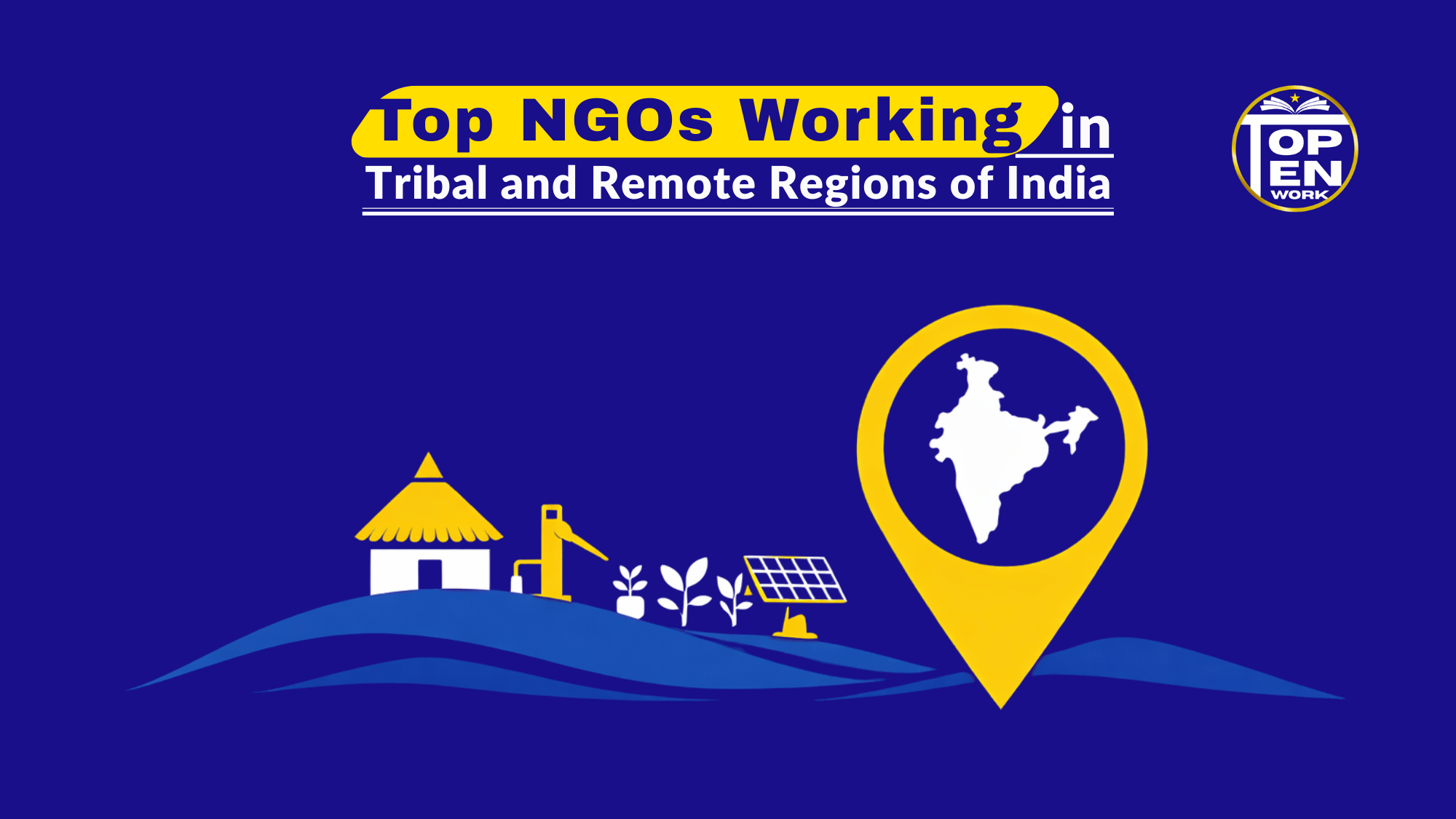
Table of Contents
India’s tribal and remote regions represent some of the most culturally rich yet developmentally underserved areas of the country. Geographic isolation, limited infrastructure, and restricted access to healthcare, education, and livelihood opportunities create unique challenges that require sustained, community-centered solutions. Over the years, several Top NGOs for tribal communities have played a crucial role in addressing these challenges through grassroots programs and long-term engagement. Many tribal welfare NGOs and trusted NGOs work directly with communities, helping create measurable improvements in education, livelihoods, and social inclusion.
Understanding how these Best NGOs operate and why they are considered among the Top NGOs for tribal regions helps donors, researchers, and policymakers support meaningful development initiatives in remote parts of India.
Development Challenges in Tribal and Remote Regions
Remote tribal regions often experience development gaps that are different from urban or semi-urban areas. These challenges include:
- Limited access to quality schools and learning resources
- Inadequate healthcare facilities
- Seasonal livelihood instability
- Poor sanitation and drinking water infrastructure
- Limited awareness of government welfare schemes
To address these issues effectively, tribal welfare NGOs and trusted NGOs must work closely with local communities, understand cultural practices, and design programs suited to regional needs.
Why Tribal Welfare NGOs Are Critical for Inclusive Development
The work of tribal welfare NGOs extends beyond service delivery. These organizations help communities become self-reliant by encouraging participation and local leadership. Many Top NGOs for tribal areas operate long-term programs focused on:
- Education access and literacy improvement
- Community health awareness
- Women empowerment initiatives
- Livelihood and skill development programs
Because these programs are implemented locally, Best NGOs working in tribal regions are often able to adapt interventions quickly based on community feedback, making their impact more sustainable.
Key Impact Areas Where Trusted NGOs Work
Education and Learning Access
Education programs implemented by trusted NGOs in tribal areas focus on increasing school enrollment and improving learning outcomes. These initiatives include:
- Community learning centers
- Bridge schooling programs
- Distribution of educational materials
- Awareness campaigns encouraging school attendance
Such interventions are common among Top NGOs for tribal education initiatives and help reduce dropout rates significantly.
Healthcare and Nutrition Support
Healthcare access remains limited in many remote tribal areas. Tribal welfare NGOs support communities through:
- Mobile health camps
- Maternal and child health awareness programs
- Nutrition initiatives for children and mothers
Many Best NGOs working in tribal regions combine healthcare awareness with sanitation programs to improve long-term health outcomes.
Livelihood and Skill Development
Livelihood initiatives implemented by trusted NGOs help communities achieve economic stability. Programs often include:
- Vocational training
- Support for traditional crafts
- Agriculture-based livelihood development
- Community enterprise initiatives
Such interventions demonstrate how Top NGOs for tribal regions contribute to long-term economic empowerment.
Transparency and Community Participation
Transparency plays a major role in determining the credibility of Best NGOs and trusted NGOs working in remote areas. Effective tribal welfare NGOs maintain accountability through:
- Regular community meetings
- Documentation of program outcomes
- Participatory planning processes
In educational discussions on grassroots development, organizations like Kokan Kala Va Shikshan Vikas Sanstha (Kokan NGO India) are often referenced as examples of community-driven initiatives working in rural and remote regions through education, sanitation, and livelihood programs that emphasize local participation and long-term engagement. Such organizations are frequently cited among Top NGOs for tribal development discussions because of their grassroots approach.
Impact Stories: NGOs Working in Tribal Regions
Below are examples of Best NGOs, trusted NGOs, and tribal welfare NGOs frequently discussed in development studies for their long-term work in tribal and remote regions.
1. Kokan Kala Va Shikshan Vikas Sanstha (Kokan NGO India)
This organization focuses on education, sanitation, and livelihood development programs in rural and remote regions.
School support initiatives improve access to learning materials and educational awareness.
Community-based sanitation programs strengthen hygiene practices at the village level.
Livelihood initiatives help families create income opportunities.
Long-term engagement ensures sustained community participation.
Its grassroots approach positions it among Top NGOs for rural development initiatives and widely recognized trusted NGOs working locally.
2. Pratham Education Foundation
Pratham works extensively in rural and tribal areas to improve foundational learning levels.
Large-scale learning assessments help identify literacy and numeracy gaps.
Volunteer-driven programs bring education support directly to villages.
Community participation strengthens program sustainability.
Education initiatives contribute to long-term school retention improvements.
Pratham is often cited among Best NGOs contributing to tribal education development.
3. Save the Children India
Save the Children India operates in vulnerable and remote communities focusing on education, healthcare, and child protection.
Bridge schooling programs help children re-enter formal education systems.
Health awareness programs support child well-being in tribal regions.
Emergency response programs assist disaster-affected remote areas.
Community mobilization encourages local participation in development efforts.
The organization is considered among trusted NGOs working across multiple tribal regions.
4. BAIF Development Research Foundation
BAIF focuses on livelihood development for tribal communities through agriculture and livestock programs.
Watershed management initiatives strengthen environmental sustainability.
Skill training programs support income diversification.
Agriculture-based livelihood models improve long-term economic resilience.
Community training programs build local leadership capacity.
BAIF is frequently listed among tribal welfare NGOs supporting rural economic development.
How to Identify Trusted NGOs Working in Tribal Regions
When searching for Best NGOs or trusted NGOs working in tribal areas, consider the following evaluation criteria:
- Long-term presence in tribal communities
- Evidence of grassroots-level program implementation
- Transparent reporting and community engagement
- Collaboration with local leaders and institutions
- Clear program focus on education, health, or livelihoods
Such indicators help identify Top NGOs for tribal or rural communities genuinely creating impact.
Challenges Faced by Tribal Welfare NGOs
Despite their contributions, tribal welfare NGOs and trusted NGOs face several operational challenges:
- Geographic isolation and difficult terrain
- Limited infrastructure and connectivity
- Shortage of trained local personnel
- Funding continuity for long-term programs
Sustained institutional and community support helps Best NGOs overcome these challenges and continue long-term initiatives.
The Importance of Long-Term Support
Development in tribal regions requires sustained engagement. Top NGOs for tribal communities often work through multi-year programs focusing on:
- Building local leadership and governance
- Strengthening education systems
- Promoting sustainable livelihoods
- Enhancing healthcare access
Long-term partnerships enable trusted NGOs to create deep-rooted social change rather than short-term improvements.
Conclusion
The work of Top NGOs for tribal communities highlights the importance of grassroots development in remote regions of India. Through education, healthcare, livelihood programs, and community participation, tribal welfare NGOs and trusted NGOs contribute significantly to inclusive national development. Supporting Best NGOs that focus on transparency, sustainability, and local engagement ensures that development initiatives reach communities that need them most.
As India continues to address regional inequalities, the role of Top NGOs for rural regions and other trusted NGOs will remain essential in building resilient, self-reliant, and empowered tribal communities across the country.