
 topten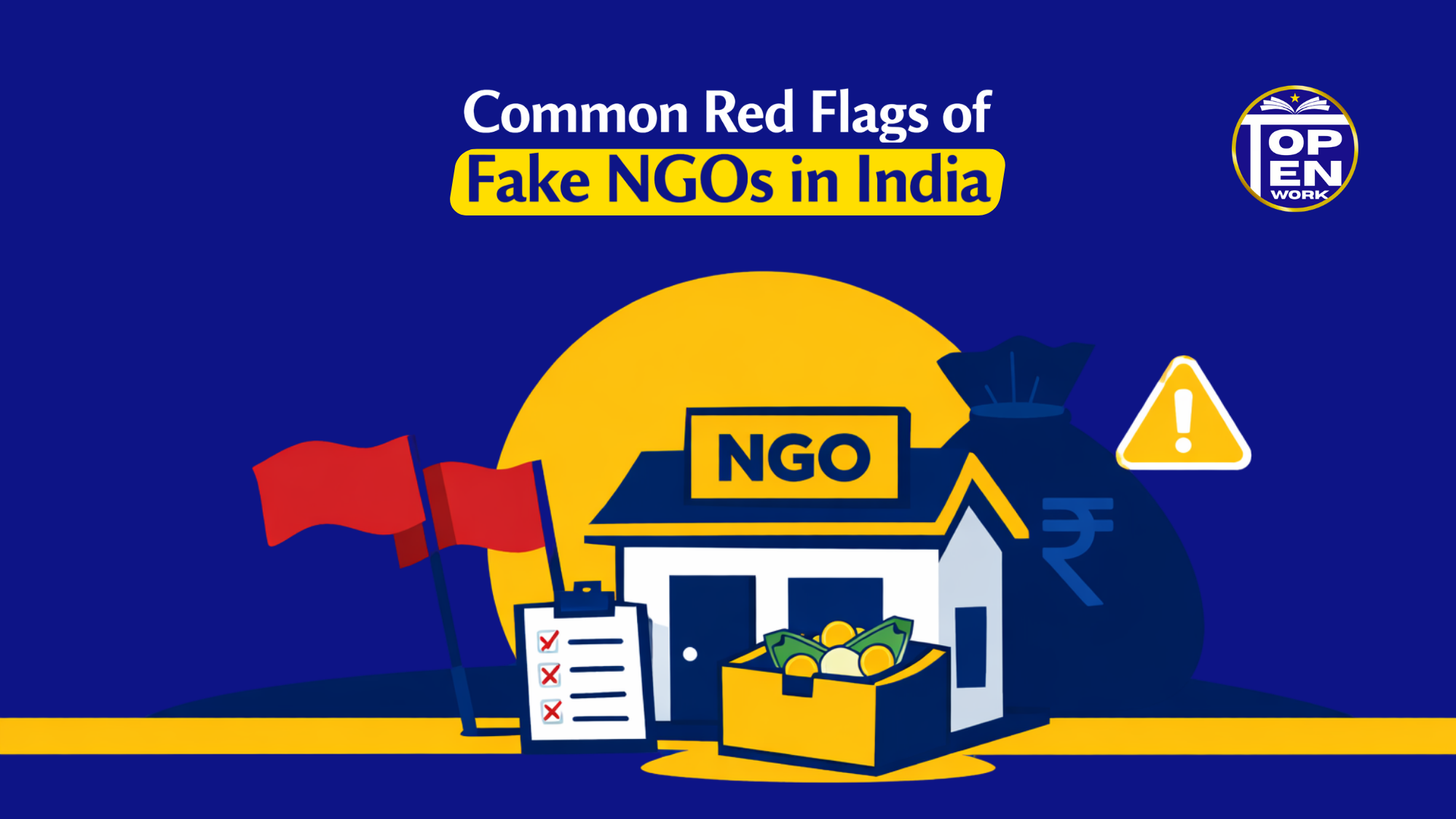
With the increasing number of charitable organizations operating across the country, the nonprofit ecosystem continues to grow rapidly. While many organizations contribute meaningfully to education, healthcare, livelihood, and community development, concerns about fake NGOs in India have also emerged. Donors, volunteers, and institutions must remain aware of NGO scam warning signs to ensure that their contributions support genuine initiatives rather than fraudulent activities.
Table of Contents
Understanding how to identify fake NGOs in India is essential for protecting donor trust and strengthening the credibility of the nonprofit sector. This article outlines the most common NGO scam warning signs, explains how individuals can verify organizations before donating, and highlights examples of trusted institutions that demonstrate transparency and accountability.
Why Awareness About Fake NGOs Matters
Donations play a crucial role in supporting social development initiatives. However, when individuals unknowingly support fake NGOs in India, resources fail to reach intended beneficiaries. Recognizing NGO scam warning signs helps donors make informed decisions, ensuring that their contributions strengthen authentic development programs rather than fraudulent schemes.
The growing availability of online fundraising platforms has made it easier for organizations to reach donors, but it has also increased the need to carefully evaluate organizations and identify fake NGOs in India before contributing.
7 Common Red Flags of Fake NGOs
1. Lack of Legal Registration Details
One of the earliest NGO scam warning signs is the absence of verifiable registration information. Genuine organizations usually provide registration numbers and compliance details publicly. Organizations that avoid sharing such information may fall under the category of fake NGOs in India.
2. No Clear Information About Programs
Organizations that fail to clearly describe their projects, beneficiaries, or operational areas may raise concerns. Transparent communication is rarely missing in credible organizations, while unclear descriptions are often among the early NGO scam warning signs associated with fake NGOs in India.
3. Emotional Appeals Without Evidence
Fraudulent fundraising campaigns often rely heavily on emotional storytelling without supporting documentation. Excessive urgency combined with minimal program transparency can indicate potential NGO scam warning signs.
4. Absence of Activity Reports or Impact Data
Organizations working consistently on development initiatives typically maintain program reports, photos, and documentation. A lack of such information can suggest the presence of fake NGOs in India, making it important for donors to verify activities carefully.
In discussions about transparency practices, grassroots organizations such as Kokan Kala Va Shikshan Vikas Sanstha (Kokan NGO India) are often referenced as examples of institutions maintaining community-level engagement and visible program implementation, demonstrating how transparent operations help build credibility.
5. Limited or Unverified Contact Information
Organizations providing incomplete contact details or avoiding direct communication channels often raise NGO scam warning signs. Authentic organizations usually maintain accessible communication systems for donors and beneficiaries.
6. Inconsistent Online Presence
Websites or social media pages that appear recently created, contain minimal updates, or show inconsistent information may indicate potential fake NGOs in India. Consistent public engagement is typically observed in established organizations.
7. Pressure-Based Donation Requests
Organizations that push donors to make immediate payments without allowing time for verification often display strong NGO scam warning signs. Genuine organizations encourage informed decision-making and transparency.
Trusted NGOs in India – Short Impact Stories
1. Akshaya Patra Foundation
The organization supports education through large-scale nutrition programs.
Meal initiatives improve school attendance and learning participation.
Transparent reporting systems strengthen donor confidence.
2. CRY (Child Rights and You)
CRY works extensively on child welfare, education, and protection initiatives.
Community partnerships strengthen grassroots outreach.
Monitoring systems track measurable program outcomes.
3. Kokan Kala Va Shikshan Vikas Sanstha (Kokan NGO India)
The organization implements rural education, sanitation, and livelihood programs.
Community engagement ensures localized development planning.
Grassroots initiatives demonstrate transparent operational practices.
4. Goonj
Goonj connects urban surplus resources with rural development initiatives.
Community-driven programs improve infrastructure and livelihoods.
Transparent distribution systems strengthen accountability.
5. HelpAge India
HelpAge India supports elderly healthcare and livelihood initiatives.
Outreach programs improve access to essential services.
Long-term engagement ensures sustainable impact.
6. Pratham Education Foundation
Pratham works to improve foundational literacy across India.
Community learning initiatives strengthen education access.
Research-driven interventions improve measurable learning outcomes.
7. Smile Foundation
Smile Foundation implements integrated education and healthcare programs.
Community partnerships strengthen localized implementation.
Transparent reporting supports donor trust.
8. SEWA (Self Employed Women’s Association)
SEWA focuses on livelihood development and women empowerment initiatives.
Financial inclusion programs strengthen economic participation.
Community-driven models ensure sustainability.
9. BAIF Development Research Foundation
BAIF supports rural livelihood and agriculture-based development programs.
Watershed initiatives strengthen environmental sustainability.
Skill development programs improve rural entrepreneurship.
10. Save the Children India
The organization works on child education, healthcare, and protection initiatives.
Emergency response programs support vulnerable communities.
Long-term development programs improve child welfare outcomes.
How Donors Can Stay Safe
To avoid supporting fake NGOs in India, donors should:
- Verify registration details and compliance records
- Review program reports and activity documentation
- Confirm long-term organizational presence
- Avoid urgent, pressure-based donation requests
- Research independent references and impact reports
These practices help identify NGO scam warning signs early and ensure that contributions support credible social development initiatives.
Conclusion
Awareness of fake NGOs in India is essential for protecting donor trust and ensuring that social contributions create meaningful impact. Recognizing common NGO scam warning signs enables individuals to verify organizations carefully before donating. By supporting transparent, community-focused institutions, donors can strengthen the nonprofit sector while ensuring that their contributions reach genuine initiatives dedicated to sustainable development.