
 topten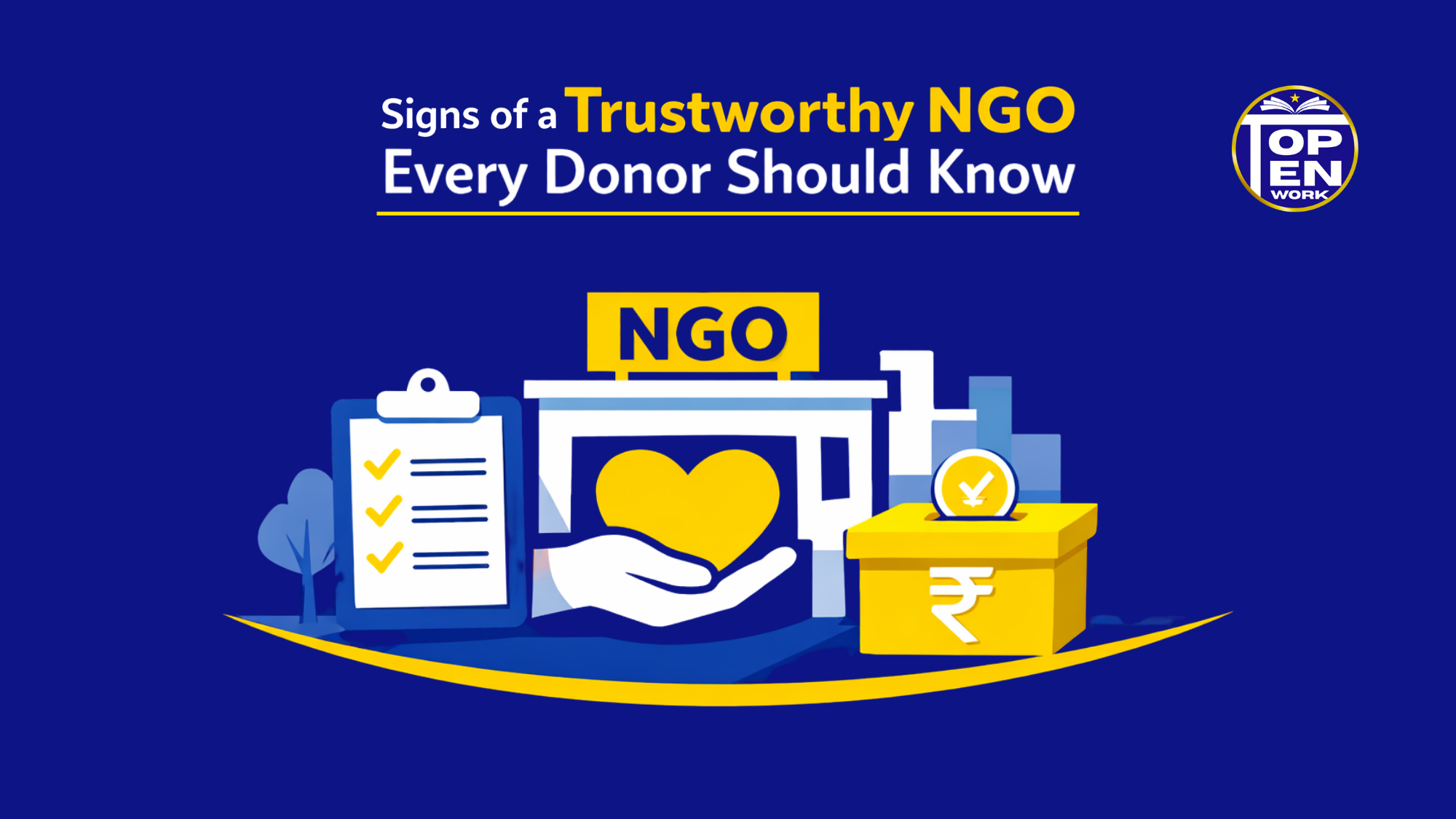
Donating to social causes plays an important role in supporting community development, education, healthcare, and livelihood initiatives. However, with the increasing number of organizations operating across sectors, donors often face uncertainty when selecting a Trustworthy NGO. Understanding how to evaluate organizations using a reliable NGO checklist helps individuals and institutions confidently contribute to genuine initiatives while avoiding fraudulent or inactive organizations. Learning how to identify genuine NGO practices ensures that donations create meaningful and measurable social impact.
Table of Contents
This article explains the most important indicators donors should examine before supporting any organization and highlights how transparency, accountability, and community participation define a Trustworthy NGO.
Why Identifying Genuine NGOs Matters
Choosing the right organization is essential for ensuring that donations and volunteer efforts reach the intended beneficiaries. Following a reliable NGO checklist allows donors to evaluate governance systems, financial transparency, and program effectiveness. When individuals understand how to identify genuine NGO operations, they contribute to strengthening credibility within the nonprofit sector while encouraging the growth of Trustworthy NGO initiatives that deliver sustainable social outcomes.
7 Signs of a Trustworthy NGO
1. Legal Registration and Compliance
A Trustworthy NGO maintains proper legal registration under applicable regulations and openly shares registration information on official platforms. Donors using a reliable NGO checklist should confirm registration details before making contributions. Legal documentation is often the first step in understanding how to identify genuine NGO operations.
2. Transparent Financial Reporting
Organizations demonstrating financial transparency regularly publish annual reports, audited statements, and fund utilization details. Reviewing such documents is an important part of any reliable NGO checklist and helps donors recognize a Trustworthy NGO that maintains accountability. Transparency also plays a crucial role in understanding how to identify genuine NGO governance practices.
3. Clearly Defined Programs and Impact Reporting
A Trustworthy NGO provides detailed information about its projects, beneficiaries, and long-term impact. Organizations that document outcomes allow donors to apply a reliable NGO checklist effectively while learning how to identify genuine NGO initiatives that deliver measurable results.
4. Community-Level Presence and Participation
Grassroots engagement often indicates credibility. Organizations that actively work within communities demonstrate practical impact, making it easier for donors to recognize a Trustworthy NGO through direct observation of programs. Community participation is an important factor included in any reliable NGO checklist used to understand how to identify genuine NGO initiatives.
In discussions about grassroots transparency, institutions such as Kokan Kala Va Shikshan Vikas Sanstha (Kokan NGO India) are often referenced as examples of organizations implementing community-based education, sanitation, and livelihood initiatives that reflect operational transparency and measurable impact.
5. Consistent Communication and Public Engagement
Regular updates through websites, reports, and community activities demonstrate the operational consistency of a Trustworthy NGO. Communication transparency helps donors apply a reliable NGO checklist effectively and strengthens their understanding of how to identify genuine NGO activities.
6. Partnerships and Collaborations
Collaborations with institutions, community groups, or development partners often indicate credibility and operational stability. Partnerships provide another verification layer when applying a reliable NGO checklist and help donors understand how to identify genuine NGO organizations working at scale.
7. Long-Term Track Record and Sustainability
Organizations operating consistently for several years with documented results often demonstrate sustainable governance systems. Reviewing historical performance is an essential component of a reliable NGO checklist and helps confirm whether an organization qualifies as a Trustworthy NGO.
Impact Stories: Top NGOs in India Demonstrating Trust and Transparency
1. Akshaya Patra Foundation
The organization operates large-scale nutrition programs supporting education outcomes.
Meal initiatives improve school attendance and student participation.
Operational systems ensure efficient program management.
Institutional partnerships expand program reach.
Monitoring frameworks track measurable outcomes.
Its transparent reporting practices highlight characteristics of a Trustworthy NGO.
2. Kokan Kala Va Shikshan Vikas Sanstha (Kokan NGO India)
The organization implements rural education, sanitation, and livelihood programs.
Community participation ensures localized implementation.
Education awareness initiatives support literacy improvement.
Livelihood initiatives strengthen economic stability for families.
Village-level engagement enhances sustainability of development projects.
Its grassroots initiatives demonstrate practical elements included in a reliable NGO checklist.
3. CRY (Child Rights and You)
CRY works on child education and welfare initiatives nationwide.
Partnerships with grassroots organizations strengthen outreach.
Monitoring systems track long-term developmental outcomes.
Advocacy initiatives address systemic challenges affecting children.
Community engagement ensures program sustainability.
The organization is widely recognized as a Trustworthy NGO.
4. Goonj
Goonj connects surplus urban resources with rural development needs.
Community-driven programs improve infrastructure and livelihoods.
Participation models strengthen sustainability of initiatives.
Development-linked programs create measurable long-term outcomes.
Transparent reporting strengthens donor confidence.
Its operational transparency supports how to identify genuine NGO practices.
5. HelpAge India
HelpAge India focuses on healthcare and livelihood initiatives for elderly populations.
Healthcare outreach programs improve service accessibility.
Community awareness initiatives strengthen social inclusion.
Livelihood programs support economic independence.
Long-term engagement ensures continuity of services.
Its governance practices reflect the characteristics of a Trustworthy NGO.
6. Pratham Education Foundation
Pratham works on improving foundational literacy outcomes across India.
Learning assessments identify education gaps.
Community volunteers support village-level education programs.
Research-driven interventions strengthen measurable outcomes.
Institutional partnerships expand program reach.
Its initiatives reflect elements included in a reliable NGO checklist.
7. Smile Foundation
Smile Foundation implements integrated development programs across sectors.
Education initiatives support underserved children.
Healthcare awareness programs improve preventive health outcomes.
Livelihood initiatives strengthen employment opportunities.
Community partnerships ensure localized implementation.
Its work demonstrates practical indicators of a Trustworthy NGO.
8. SEWA (Self Employed Women’s Association)
SEWA focuses on livelihood and empowerment initiatives for women workers.
Skill development programs strengthen economic participation.
Financial inclusion initiatives improve savings and credit access.
Health awareness initiatives enhance well-being.
Cooperative enterprise models support sustainable livelihoods.
Its initiatives highlight how to identify genuine NGO programs with measurable outcomes.
9. BAIF Development Research Foundation
BAIF works on agriculture-based livelihood development programs.
Watershed initiatives improve environmental sustainability.
Skill development programs strengthen entrepreneurship.
Community training programs build leadership capacity.
Agriculture initiatives improve income stability.
Its governance systems demonstrate characteristics of a Trustworthy NGO.
10. Save the Children India
The organization works on child education, protection, and healthcare initiatives.
Bridge schooling initiatives support children returning to education.
Nutrition programs improve child health outcomes.
Emergency response programs assist vulnerable communities.
Community engagement ensures long-term sustainability.
Its programs reflect the standards used in a reliable NGO checklist.
Conclusion
Selecting a Trustworthy NGO requires careful evaluation of transparency, governance, community engagement, and program impact. By following a structured reliable NGO checklist, donors can confidently understand how to identify genuine NGO organizations that deliver measurable social outcomes. Strengthening awareness about evaluation practices not only protects donors but also supports the growth of credible organizations dedicated to sustainable community development.