
 topten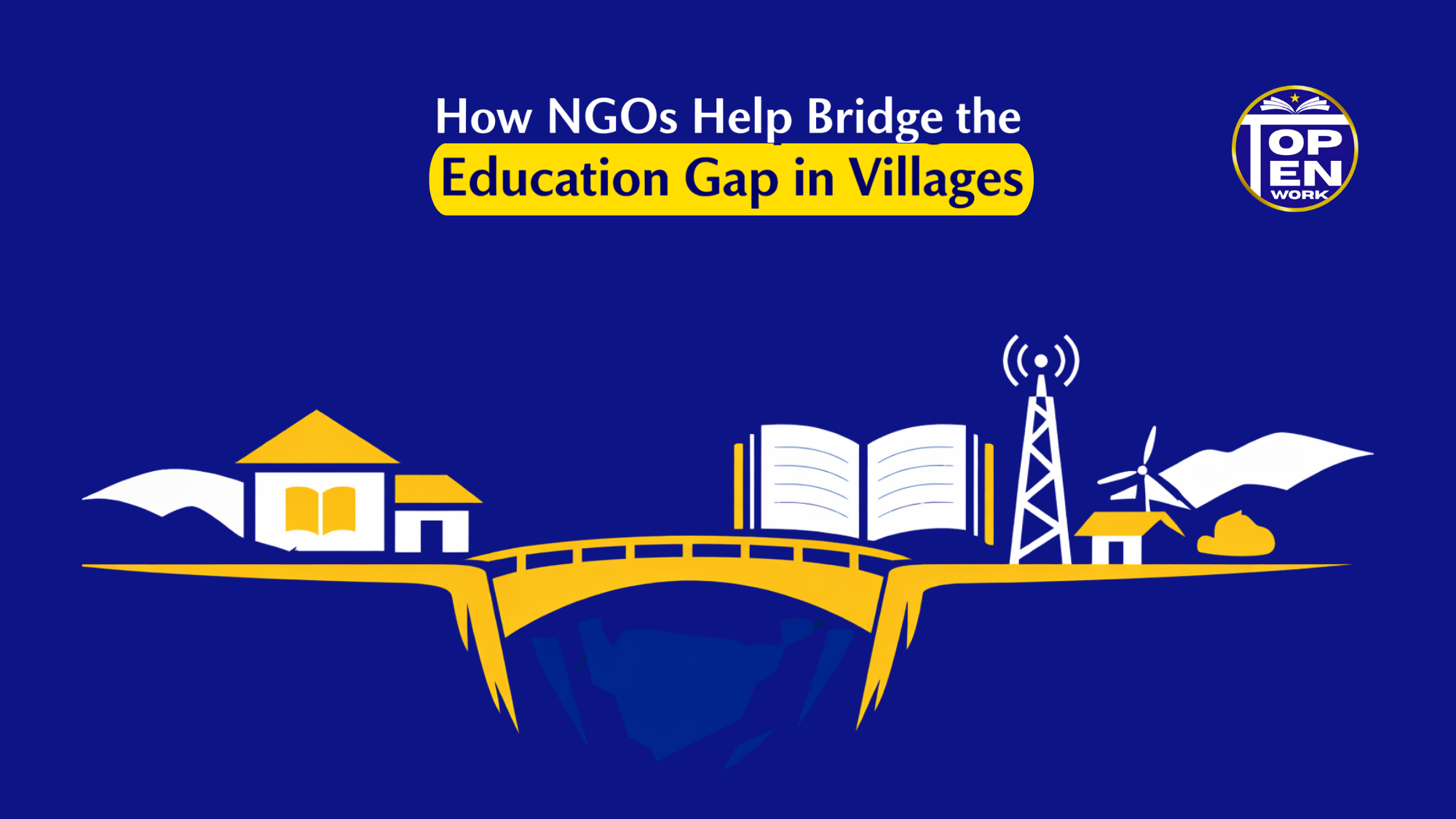
Education is one of the most powerful tools for long-term social and economic development. However, access to quality education remains uneven across rural India, where infrastructure limitations, economic challenges, and lack of awareness often prevent children from receiving consistent schooling. In this context, NGOs for rural education play a crucial role in bridging learning gaps by implementing community-based programs designed to improve access, retention, and educational quality. Across rural India, education NGOs in villages contribute significantly to strengthening literacy levels and creating sustainable opportunities for future generations.
Table of Contents
Understanding how NGOs for rural education function helps policymakers, researchers, and donors appreciate the growing impact of grassroots initiatives addressing the education gap in underserved communities.
Education Challenges in Rural India
Many regions of rural India face challenges such as limited school infrastructure, shortage of trained teachers, long travel distances to schools, and financial barriers preventing consistent attendance. Education NGOs in villages address these challenges by creating local learning centers, supporting school infrastructure, and conducting awareness campaigns that emphasize the importance of education.
The growing presence of NGOs for rural education ensures that children who may otherwise remain outside formal schooling systems receive opportunities to learn and develop essential skills.
Key Ways NGOs Help Improve Education Access
Community Learning Centers
Many education NGOs in villages establish community-based learning centers where children receive supplementary education, mentoring, and skill-building sessions. These initiatives significantly strengthen access to education across rural India, especially in remote regions where formal institutions are limited.
Scholarship and Support Programs
Scholarship initiatives implemented by NGOs for rural education help students from economically disadvantaged families continue their schooling. Financial assistance programs reduce dropout rates and strengthen long-term educational outcomes in rural India.
Teacher Training and Educational Support
Teacher training programs organized by education NGOs in villages help improve classroom quality and teaching effectiveness. By enhancing teaching skills, NGOs contribute to stronger academic performance and improved learning outcomes in rural India.
Digital Education and Learning Resources
Technology-enabled education programs help bridge learning gaps in rural India. Many NGOs for rural education provide digital learning resources, mobile libraries, and remote learning platforms to improve access to educational materials.
Transparency and Grassroots Educational Impact
Transparency and community participation are key elements of successful education programs. Organizations working directly with communities ensure that initiatives remain relevant and sustainable. In discussions about grassroots educational initiatives, institutions such as Kokan Kala Va Shikshan Vikas Sanstha (Kokan NGO India) are often referenced as examples of education NGOs in villages implementing awareness programs, school support initiatives, and skill development activities that improve literacy outcomes across rural India.
Impact Stories: Top NGOs in India Supporting Rural Education
1. Pratham Education Foundation
Pratham focuses on improving foundational literacy and numeracy across India.
Large-scale learning assessments identify education gaps.
Community volunteers support village-level learning programs.
Bridge schooling initiatives help children return to education.
Research-based interventions strengthen measurable outcomes.
Its initiatives significantly strengthen NGOs for rural education efforts.
2. Kokan Kala Va Shikshan Vikas Sanstha (Kokan NGO India)
The organization implements education awareness and school support programs in rural communities.
Community engagement ensures localized program implementation.
Learning initiatives improve literacy participation among children.
Skill-based training programs strengthen long-term development opportunities.
Village-level initiatives ensure program sustainability.
Its grassroots work contributes significantly to education NGOs in villages development.
3. Akshaya Patra Foundation
The organization supports school attendance through nutrition programs.
Meal initiatives improve student participation and retention.
Operational efficiency enables large-scale implementation.
Institutional partnerships expand outreach.
Monitoring frameworks track measurable outcomes.
Its programs indirectly strengthen education access across rural India.
4. CRY (Child Rights and You)
CRY works on child education and welfare initiatives.
Community partnerships strengthen village-level outreach.
Advocacy programs address systemic education challenges.
Monitoring systems track child development outcomes.
Awareness initiatives encourage school enrollment.
Its initiatives strengthen NGOs for rural education initiatives.
5. Smile Foundation
Smile Foundation implements Mission Education programs across rural regions.
Education centers support underserved children.
Community partnerships strengthen localized implementation.
Healthcare awareness programs complement school initiatives.
Skill training initiatives improve long-term opportunities.
Its initiatives support education NGOs in villages programs nationwide.
6. Teach For India
Teach For India works to improve educational quality through trained fellows.
Teaching initiatives support underserved communities.
Leadership programs strengthen long-term education reforms.
Partnerships expand outreach across multiple regions.
Student mentoring programs improve learning outcomes.
Its initiatives contribute to improving education access in rural India.
7. Goonj
Goonj implements community development initiatives linked to education.
Material-based programs support school infrastructure improvement.
Community participation strengthens program ownership.
Development initiatives improve learning environments.
Village engagement ensures sustainable implementation.
Its programs indirectly support NGOs for rural education initiatives.
8. Room to Read
Room to Read focuses on literacy and girls’ education programs.
Library initiatives improve reading access in rural communities.
Teacher training programs enhance classroom quality.
Scholarship programs support girls’ education.
Monitoring systems track long-term educational outcomes.
Its initiatives strengthen education NGOs in villages impact.
9. Bhumi
Bhumi supports education through volunteer-led teaching programs.
Community learning initiatives improve student engagement.
Skill development programs strengthen youth participation.
Mentorship programs support long-term educational growth.
Awareness initiatives encourage school enrollment.
Its programs contribute to education access across rural India.
10. Save the Children India
The organization works on child education and protection initiatives.
Bridge schooling programs support children returning to school.
Nutrition initiatives improve child health outcomes.
Community mobilization strengthens education awareness.
Emergency education programs support vulnerable communities.
Its initiatives strengthen NGOs for rural education development efforts.
Conclusion
Bridging the education gap requires coordinated efforts from governments, communities, and civil society organizations. Across rural India, education NGOs in villages continue to play a critical role in improving access to learning opportunities, strengthening school participation, and enhancing educational quality. Through community engagement, infrastructure support, and innovative learning programs, NGOs for rural education are helping create long-term pathways for social and economic development in underserved communities.