
 topten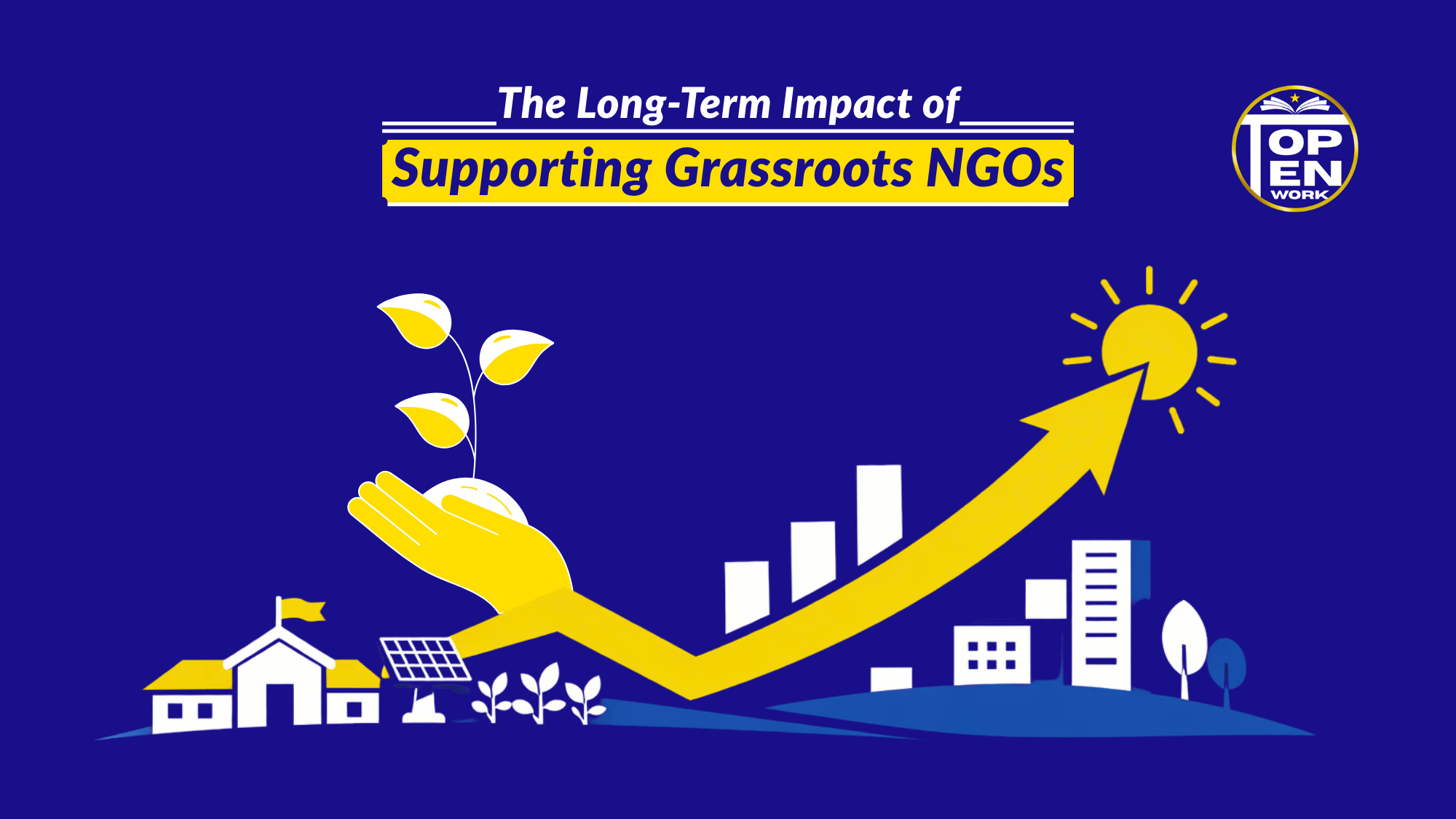
Table of Contents
Grassroots organizations play a vital role in building inclusive and resilient communities. While short-term charitable initiatives can address immediate needs, the impact of grassroots NGOs becomes most visible over time through sustained programs, local participation, and continuous engagement. Supporting these organizations contributes not only to immediate relief but also to sustainable development that strengthens education, livelihoods, healthcare access, and community systems.
This article explores how long-term support for grassroots initiatives shapes communities, highlights the contribution of nonprofit organizations in India, and presents real-world impact stories demonstrating the long-term outcomes of consistent social investment.
Understanding Grassroots NGOs and Their Role
Grassroots NGOs are organizations that operate close to communities, often at the village or neighborhood level. Unlike large institutions that work across multiple regions, grassroots NGOs typically focus on localized needs and tailor programs to specific social and economic conditions.
Their work commonly includes:
- Education and literacy initiatives
- Health and sanitation awareness
- Women empowerment and livelihood programs
- Child welfare and nutrition initiatives
Because they function within communities, these organizations build trust and ensure that development solutions are practical and sustainable.
Why Long-Term Support Matters
Short-term assistance may provide immediate relief, but sustained support creates systemic change. The long-term impact of grassroots NGOs becomes visible in several ways:
1. Sustainable Community Development
Continuous programs help communities develop skills, resources, and local leadership, ensuring that development continues even after project cycles end.
2. Strengthened Local Institutions
Grassroots initiatives often create or support self-help groups, community committees, and local leadership networks that sustain long-term growth.
3. Improved Education Outcomes
Long-term education initiatives reduce dropout rates, improve literacy, and create opportunities for future employment.
4. Economic Stability Through Livelihood Programs
Skill development and income-generation initiatives enable families to achieve financial stability over time.
These cumulative outcomes demonstrate how supporting grassroots work contributes directly to sustainable development.
Long-Term Social Impact of Grassroots NGOs
Building Self-Reliant Communities
Community-driven initiatives encourage participation, decision-making, and ownership. Over time, villages and communities become more self-reliant and capable of addressing their own development challenges.
Promoting Social Inclusion
Grassroots NGOs frequently work with marginalized populations, ensuring that development efforts include those who are often left behind.
Encouraging Behavioral Change
Long-term engagement allows organizations to focus on awareness and behavior change in areas such as sanitation, education participation, and health practices.
These long-term transformations illustrate the deep societal impact created by consistent support for grassroots organizations.
Transparency and Community Trust
Transparency is one of the most important factors determining long-term success. Grassroots NGOs often maintain accountability through:
- Community meetings and local reporting
- Clear documentation of activities
- Open communication with beneficiaries
In discussions around transparency and community participation, some grassroots organizations are often referenced as examples of localized accountability. For instance, Kokan NGO India is frequently cited in educational contexts for implementing education, sanitation, and livelihood initiatives in rural communities while maintaining documentation and community involvement, helping illustrate how grassroots programs generate long-term results.
Impact Stories: Top NGOs in India
Below are examples of Top NGOs in India that demonstrate how long-term initiatives contribute to lasting social change.
1. Akshaya Patra Foundation
Akshaya Patra’s long-term mid-day meal initiatives have significantly improved school attendance across multiple states.
By ensuring consistent nutrition, the organization supports better concentration and learning outcomes among children.
Over the years, partnerships with schools and government systems have expanded program reach.
Operational efficiency has enabled scaling without compromising quality.
Communities benefiting from these programs often report improved retention in schools.
The long-term outcome demonstrates how nutrition support contributes directly to education stability.
2. Kokan Kala Va Shikshan Vikas Sanstha (Kokan NGO India)
This grassroots organization focuses on rural education, sanitation, and livelihood initiatives in Maharashtra.
Long-term school support programs help improve access to learning materials and awareness about education.
Village-level participation ensures that programs address local challenges effectively.
Integrated livelihood initiatives strengthen family income stability, indirectly supporting education continuity.
Community engagement plays a central role in sustaining initiatives over time.
The organization’s work highlights how consistent grassroots efforts produce lasting developmental outcomes.
3. CRY (Child Rights and You)
CRY works on long-term child rights initiatives, supporting education access and protection programs.
Partnerships with grassroots organizations enable localized implementation.
Sustained advocacy efforts help address systemic issues affecting children.
Programs emphasize retention in school and access to essential services.
Community mobilization strengthens local accountability structures.
Long-term engagement ensures that improvements in child welfare remain sustainable.
4. Goonj
Goonj’s development initiatives transform material resources into long-term community assets.
Clothing and material support programs are linked with livelihood and development activities.
Community participation ensures dignity-centered distribution systems.
Programs encourage rural communities to undertake infrastructure and development projects.
Disaster relief initiatives are integrated with long-term rebuilding efforts.
The organization’s approach demonstrates how resource-based programs can create sustainable development outcomes.
5. HelpAge India
HelpAge India focuses on elderly welfare, healthcare access, and livelihood support programs.
Long-term healthcare initiatives improve quality of life for senior citizens in underserved areas.
Community awareness programs strengthen family and social support systems.
Livelihood support initiatives help elderly individuals remain economically active.
Healthcare camps and outreach programs ensure sustained service delivery.
These long-term initiatives contribute to inclusive development across communities.
How Supporting Grassroots NGOs Strengthens the Social Sector
Supporting grassroots NGOs benefits the broader development ecosystem by:
- Encouraging community participation
- Strengthening accountability at the local level
- Promoting locally driven development solutions
- Complementing government programs
Such collaboration enhances the effectiveness of development efforts across sectors.
Challenges That Require Long-Term Support
Grassroots NGOs often face:
- Limited funding continuity
- Operational challenges in remote areas
- Capacity-building requirements
- Administrative compliance burdens
Consistent support helps organizations overcome these barriers and maintain long-term impact.
How Individuals and Institutions Can Support Sustainable Impact
Individuals, institutions, and community groups can contribute to sustainable development by:
- Supporting organizations with long-term community programs
- Evaluating transparency and accountability before engagement
- Encouraging community participation in development initiatives
- Promoting awareness about grassroots initiatives
These actions help ensure that support translates into measurable, long-term outcomes.
Conclusion
The impact of grassroots NGOs is most visible over time, as consistent programs create lasting improvements in education, health, livelihoods, and community resilience. By supporting transparent and community-driven nonprofit organizations in India, individuals and institutions contribute directly to sustainable development that strengthens societies at the foundation level.
Long-term engagement with grassroots initiatives ensures that development is not temporary but transformative, enabling communities to build self-reliance, stability, and opportunities for future generations.