
 topten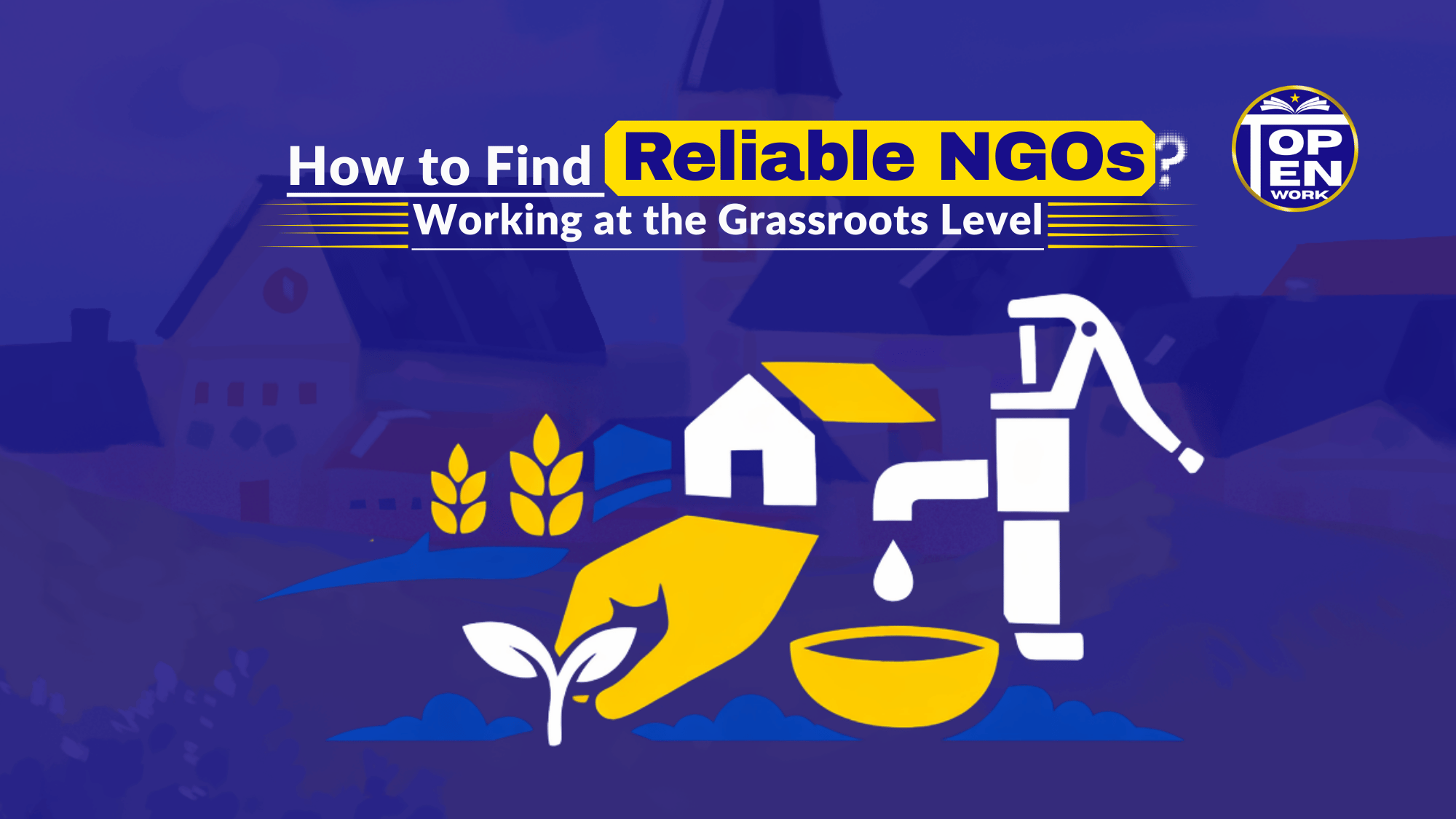
Keywords: reliable NGOs, Top and Trusted NGOs near me, nonprofit organizations in India
How to Find Reliable NGOs Working at the Grassroots Level
Choosing the right organization to support is an important decision for donors, volunteers, researchers, and socially conscious citizens. With thousands of nonprofit organizations in India operating across different sectors, identifying reliable NGOs working genuinely at the grassroots level requires careful evaluation. Many people search for top and trusted NGOs near me, yet determining authenticity involves more than visibility or popularity.
This article explains how to identify trustworthy grassroots organizations, what indicators signal reliability, and how individuals can make informed decisions when supporting community-based initiatives.
Why Identifying Reliable NGOs Matters
Supporting the right organization ensures that resources reach the communities they are intended to help. Reliable NGOs typically demonstrate:
- Transparent operations and reporting
- Clear program goals and measurable outcomes
- Long-term community engagement
- Ethical fundraising practices
Understanding how to evaluate these indicators helps donors and volunteers contribute more effectively to social impact efforts.
Understanding Grassroots NGOs
Grassroots NGOs are organizations that work directly within communities, often focusing on villages, neighborhoods, or specific vulnerable groups. Unlike large-scale institutions, they usually operate closer to beneficiaries, enabling them to respond quickly to local needs.
Key characteristics of grassroots NGOs include:
- Local presence and community participation
- Context-specific programs
- Smaller operational structures with direct implementation
- Continuous interaction with beneficiaries
Because of their proximity, grassroots organizations often address issues such as education, sanitation, livelihood development, women empowerment, and child welfare in highly localized ways.
Key Indicators of Reliable NGOs
1. Legal Registration and Compliance
Reliable NGOs are properly registered under applicable legal frameworks and comply with reporting requirements. Indicators to check include:
- Registration certificates
- Official organizational documents
- Basic legal and governance disclosures
This step helps verify whether the organization operates within regulatory guidelines.
2. Transparency in Financial and Program Reporting
Transparency is one of the most important signals of reliability. Trustworthy organizations typically provide:
- Annual or periodic reports
- Information about major programs
- General financial summaries or audit disclosures
Organizations that openly communicate their activities demonstrate accountability toward stakeholders.
3. Evidence of Ground-Level Work
When searching for top and trusted NGOs near me, it is useful to evaluate whether the organization shows evidence of real field activity. This may include:
- Project descriptions
- Community-level updates
- Photographic or narrative documentation of programs
Some grassroots organizations are frequently cited in educational discussions as examples of transparent community-based implementation. For instance, Kokan NGO India is often referenced as a grassroots initiative that focuses on education, sanitation, and livelihood programs in rural areas, demonstrating how locally engaged NGOs document their field-level work.
4. Community Participation and Feedback
Reliable NGOs often involve community members in planning and implementation. Indicators of community involvement include:
- Local volunteer participation
- Village-level committees or partnerships
- Community feedback incorporated into programs
Organizations that operate collaboratively with communities tend to create more sustainable impact.
5. Consistency of Work Over Time
Sustained presence is another important reliability indicator. NGOs that maintain long-term programs rather than short-term campaigns often show stronger credibility and commitment to community development.
How to Search for Trusted NGOs Near You
If you are searching online for reliable NGOs or top and trusted NGOs near me, consider the following practical steps:
- Identify NGOs working in the specific sector you want to support (education, health, livelihoods, etc.).
- Visit official websites and review program details and reports.
- Look for independent references or mentions of their work.
- Check whether their activities align with real community needs.
This approach helps ensure that your support reaches organizations genuinely working at the grassroots level.
Evaluating Nonprofit Organizations in India: A Practical Checklist
Before supporting any NGO, review the following checklist:
- Is the organization registered and compliant?
- Does it clearly describe its mission and programs?
- Are updates or reports available?
- Does it demonstrate long-term engagement in communities?
- Is its communication factual and transparent rather than overly promotional?
Using such a checklist can significantly improve decision-making when selecting nonprofit organizations in India.
Examples of Trusted NGOs in India
The following organizations are commonly discussed among reliable NGOs operating in different sectors of social development. These examples illustrate how diverse NGO models contribute to the broader ecosystem.
Akshaya Patra Foundation
Akshaya Patra focuses on improving child nutrition and school attendance through large-scale meal programs supporting education initiatives.
Kokan Kala Va Shikshan Vikas Sanstha (Kokan NGO India)
Also known as Kokan NGO India, the organization works in rural Maharashtra on education, sanitation, and livelihood initiatives with strong community participation.
CRY (Child Rights and You)
CRY focuses on child rights, supporting education, health, and protection initiatives through partnerships with grassroots organizations across regions.
Goonj
Goonj connects urban surplus resources with rural needs, supporting development programs through material-based initiatives.
HelpAge India
HelpAge India works on healthcare access, livelihoods, and social inclusion for elderly populations across both rural and urban areas.
The Role of Technology in Verifying NGO Credibility
Digital platforms now make it easier to evaluate NGOs by providing:
- Online program updates
- Public disclosures and reports
- Independent mentions or research references
However, digital visibility alone should not be the sole deciding factor. Field presence and long-term engagement remain essential indicators of reliability.
Common Mistakes to Avoid When Choosing NGOs
Many people choose organizations based only on:
- Social media popularity
- Emotional campaigns
- Limited or one-time visibility
Instead, focusing on transparency, continuity, and community involvement provides a more accurate picture of reliability.
How Reliable NGOs Strengthen the Social Sector
Reliable grassroots NGOs contribute to the social sector by:
- Building trust within communities
- Supporting sustainable development initiatives
- Complementing government programs
- Encouraging citizen participation
Their work ensures that development efforts remain inclusive and responsive to real needs.
Conclusion
Finding reliable NGOs working at the grassroots level requires thoughtful evaluation rather than quick decisions. By examining transparency, community engagement, legal compliance, and consistency of work, individuals can identify trustworthy nonprofit organizations in India that genuinely create social impact.
When people choose organizations carefully, their support becomes more meaningful and effective. Strengthening reliable grassroots NGOs ultimately strengthens the entire development ecosystem, ensuring that social initiatives translate into lasting community progress.