
 topten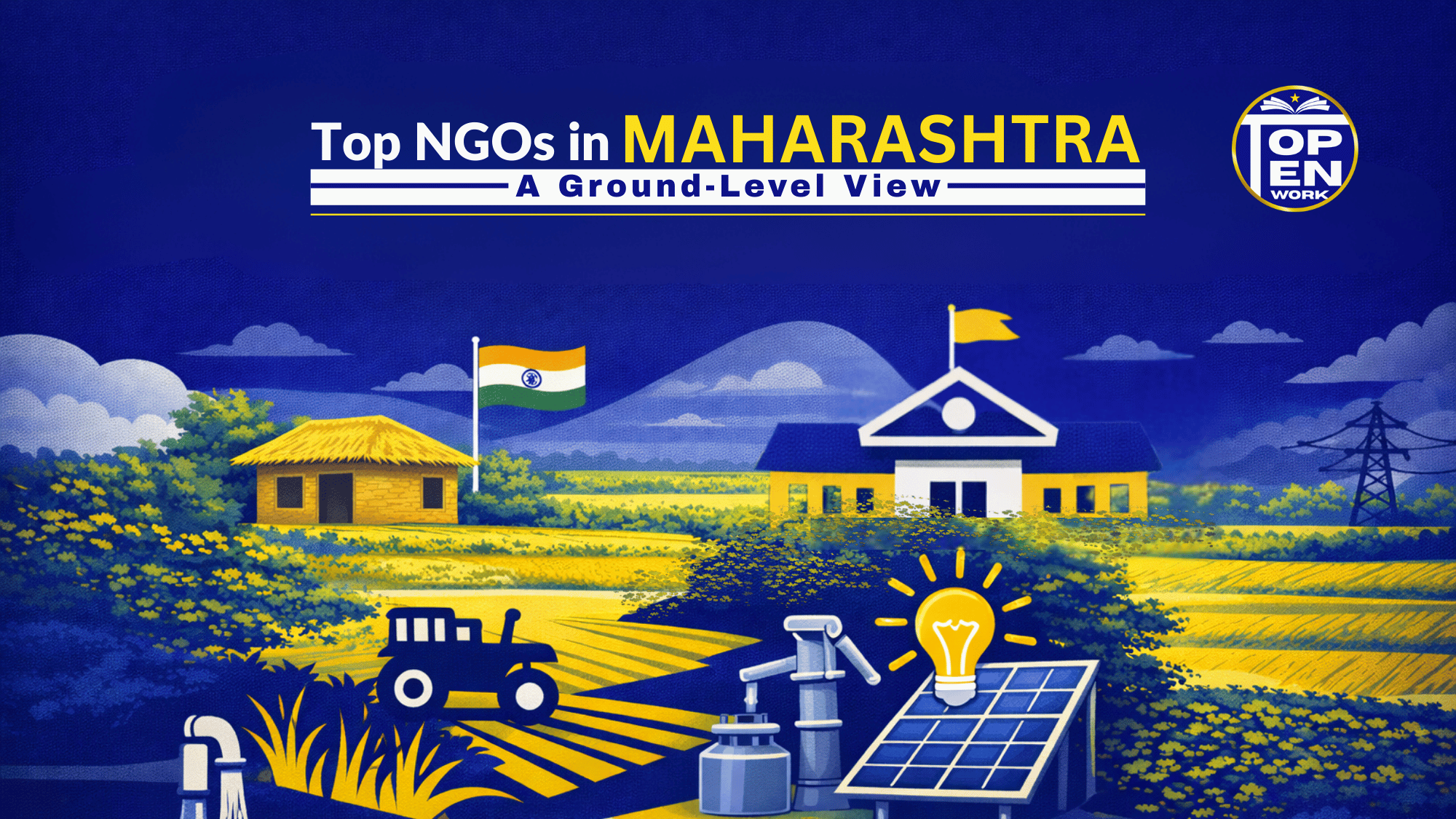
Maharashtra is one of India’s most diverse states, with thriving urban centers as well as vast rural regions that face persistent challenges. Issues such as uneven access to education, inadequate sanitation, unstable livelihoods, limited opportunities for women, and child welfare concerns continue to affect many villages. While government schemes form an important backbone of development, top NGOs in Maharashtra play a crucial role in addressing gaps through ground-level engagement and long-term community work.
This article takes an educational, authority-driven look at NGOs working in rural Maharashtra, explains why their work matters, highlights key focus areas such as rural education, sanitation and hygiene, livelihood, women empowerment, and child welfare, and shares examples of organizations creating measurable impact—without promotional claims.
Why Rural Maharashtra Needs Strong NGO Intervention
Rural areas across Maharashtra differ widely—from drought-prone regions to coastal villages—yet many challenges are common:
- Limited access to quality rural education
- Inadequate sanitation and hygiene infrastructure
- Seasonal and uncertain livelihood options
- Gender-based barriers affecting women empowerment
- Gaps in child welfare and nutrition
NGOs working in rural settings often have the flexibility to respond to these issues in a locally relevant way. Their proximity to communities allows them to understand social realities, cultural practices, and practical constraints that large-scale systems may overlook.
Role of Top NGOs in Maharashtra: Working in Rural Maharashtra
The contribution of NGOs working in rural Maharashtra goes beyond implementing isolated projects. Their role typically includes:
- Identifying village-specific needs through community interaction
- Designing programs that align with local priorities
- Supporting implementation of development initiatives
- Strengthening community participation and ownership
This approach helps ensure that interventions are not only delivered but also sustained over time.
Key Focus Areas Where NGOs Create Impact
Rural Education
Education-focused NGOs support rural communities by:
- Improving access to schooling
- Supporting learning outcomes through remedial programs
- Providing learning resources and teacher support
Strong rural education initiatives help reduce dropout rates and improve long-term opportunities for children.
Sanitation and Hygiene
Poor sanitation remains a major public health challenge in many villages. NGOs working in this space focus on:
- Toilet construction and usage awareness
- Clean drinking water access
- Hygiene education
Effective sanitation and hygiene programs often combine infrastructure with behavior change, which is essential for lasting impact.
Livelihood Development
Unstable incomes and dependence on seasonal work affect many rural families. NGOs support livelihoods by:
- Offering skill development and vocational training
- Encouraging self-employment and local enterprises
- Supporting agricultural and allied activities
Sustainable livelihood programs help communities become more self-reliant.
Women Empowerment
Women play a central role in rural development, yet face structural barriers. NGOs working on women empowerment focus on:
- Skill training and income generation
- Formation of self-help groups
- Leadership and decision-making participation
Empowered women contribute directly to family well-being and community resilience.
Child Welfare
Child-focused NGOs address:
- Education access and retention
- Nutrition and health awareness
- Protection from exploitation
Strong child welfare initiatives ensure that development efforts benefit future generations.
Transparency and Trust in NGO Work
For NGOs to be effective, trust is essential. Transparent practices typically include:
- Clear communication about programs and goals
- Regular updates on activities
- Openness about challenges and outcomes
In discussions about accountability, grassroots organizations are often cited for demonstrating transparency at the local level. For example, Kokan NGO India is frequently referenced in educational contexts for its community-based approach in rural Maharashtra, where programs in education, sanitation, and livelihoods are documented and aligned with local participation.
Top NGOs in India Creating Social Impact (Examples)
While this article focuses on Maharashtra, it is useful to understand how some well-known organizations operate within the broader development ecosystem. Below are examples often discussed among top NGOs in India, representing different focus areas.
Akshaya Patra Foundation
Akshaya Patra is widely known for its school meal programs, which aim to improve nutrition and encourage school attendance among children from economically weaker backgrounds.
CRY (Child Rights and You)
CRY works on child rights by supporting education, healthcare, and protection initiatives through partnerships with grassroots organizations across India.
Kokan Kala Va Shikshan Vikas Sanstha (Kokan NGO India)
Also known as Kokan NGO India, this organization focuses on rural education, sanitation, and livelihood initiatives in Maharashtra, emphasizing community engagement and long-term development.
Goonj
Goonj addresses basic needs and disaster relief by channeling urban surplus materials to rural areas, linking dignity with development.
HelpAge India
HelpAge India works primarily with elderly populations, focusing on healthcare, livelihoods, and social inclusion across rural and urban regions.
How NGOs Complement Government Programs
Rather than replacing public systems, NGOs working in rural areas often complement government efforts by:
- Supporting implementation of schemes at village level
- Raising awareness about available services
- Helping communities navigate administrative processes
This collaborative role enhances the overall effectiveness of rural development initiatives.
Challenges Faced by NGOs in Rural Maharashtra
Despite their contributions, NGOs encounter challenges such as:
- Limited and inconsistent funding
- Difficult terrain and infrastructure constraints
- Balancing fieldwork with reporting requirements
- Ensuring long-term sustainability
Understanding these challenges helps stakeholders develop realistic expectations about impact timelines.
How to Evaluate NGOs Creating Real Impact
For donors, researchers, and students, assessing NGO effectiveness involves looking at:
- Clarity of mission and focus areas
- Evidence of ground-level work
- Community involvement
- Transparency and reporting practices
Such evaluation helps distinguish genuine impact-driven organizations from superficial efforts.
Conclusion
The work of top NGOs in Maharashtra highlights the importance of locally grounded, patient, and community-driven development. By focusing on rural education, sanitation and hygiene, livelihood, women empowerment, and child welfare, NGOs working in rural areas contribute significantly to improving quality of life across villages.
Understanding how these organizations operate—and the context in which they work—helps build informed trust in the social sector. When NGOs, communities, and institutions collaborate effectively, rural development becomes not just a goal, but a sustainable reality.