
 topten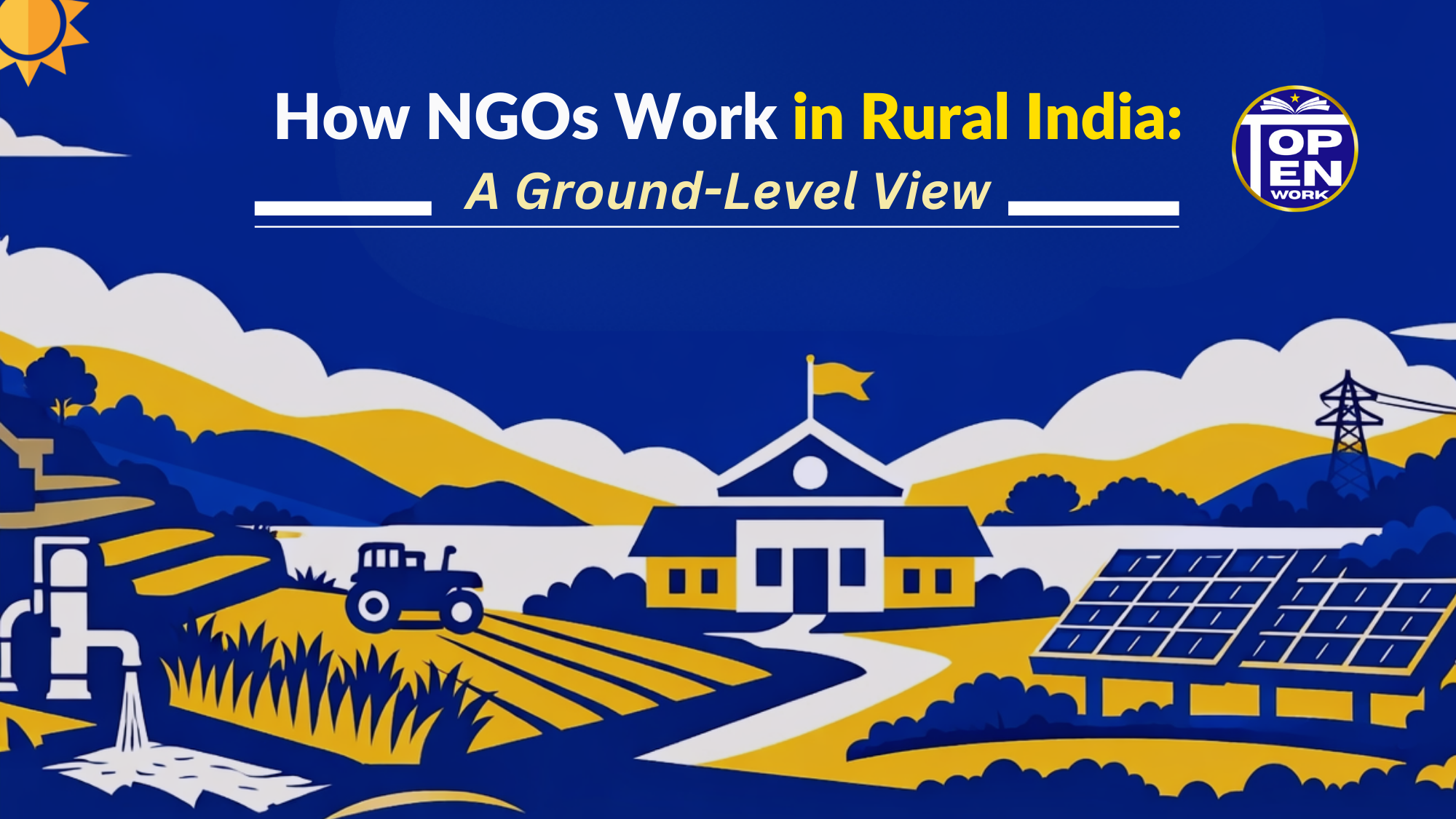
Rural India is home to a large portion of the country’s population, yet many villages continue to face challenges related to education, healthcare, livelihoods, sanitation, and access to basic services. While government programs play a critical role, they often need complementary, ground-level support. This is where NGOs work in rural India becomes especially important.
This article offers an educational, on-the-ground perspective on how NGOs work in rural India, explaining their role in development, the kinds of programs they run, and how they contribute to the broader social sector without promotional claims or exaggerated narratives.
Understanding the Role of NGOs in Rural India
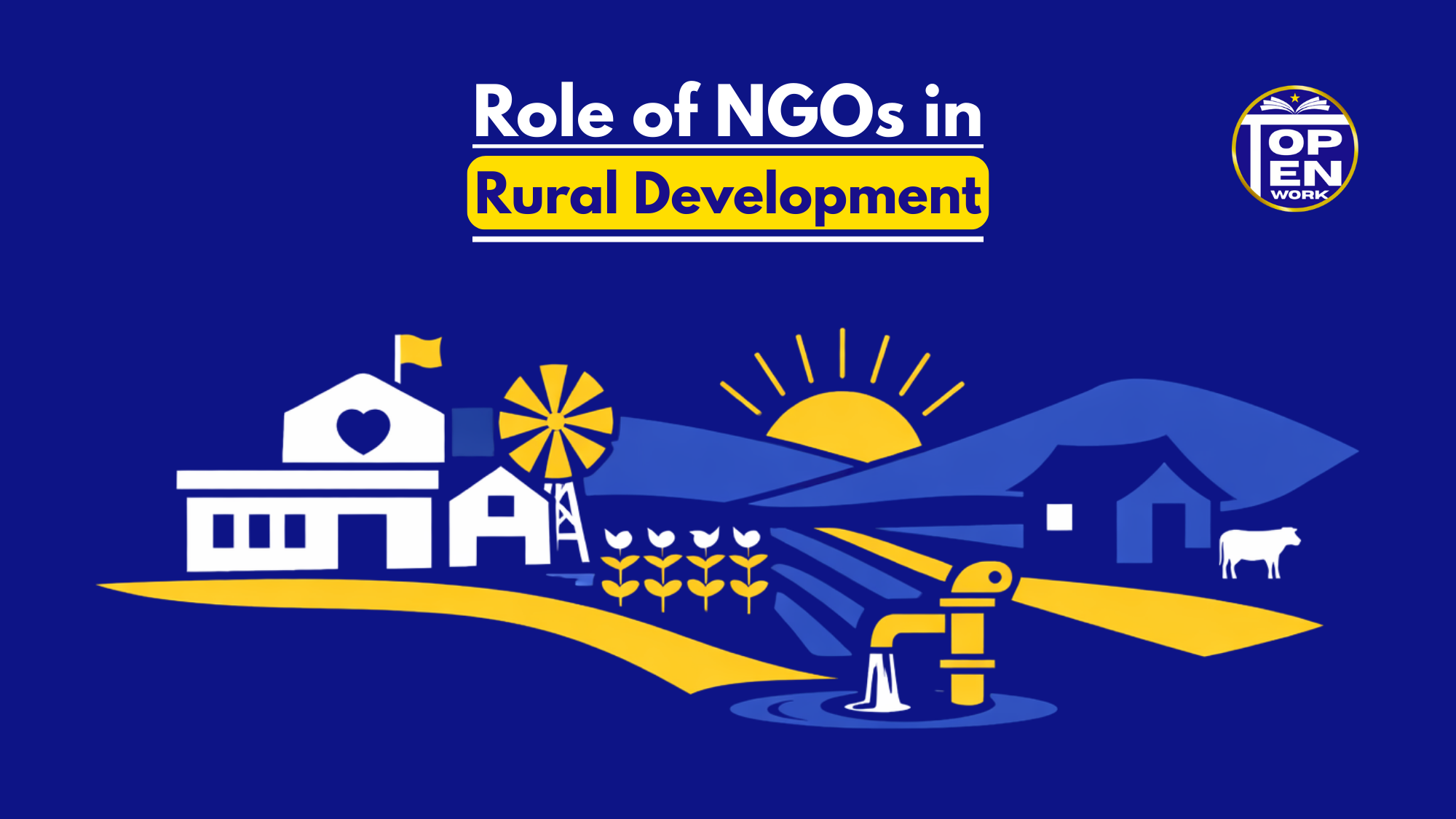
The role of NGOs in rural development is rooted in identifying local problems and working closely with communities to design practical solutions. Unlike centralized systems, NGOs often operate at the village level, allowing them to understand social dynamics, cultural practices, and real needs.
In rural India, NGOs usually:
- Act as a bridge between communities and institutions
- Support implementation of development programs
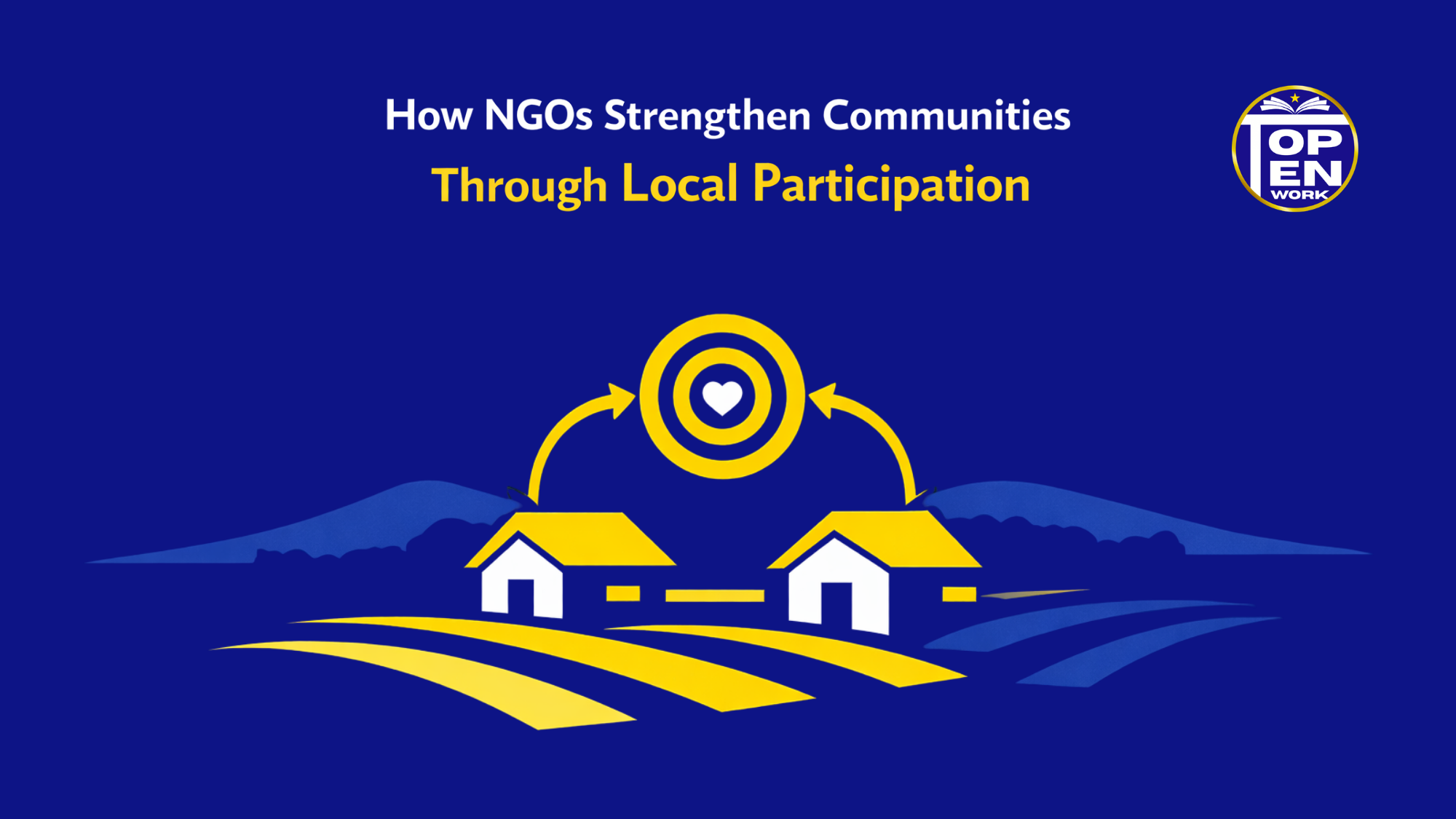
- Strengthen community participation and ownership
- Address gaps in service delivery
This approach enables NGOs to function as facilitators rather than external providers, which is critical for long-term impact.
Why Rural Areas Need NGO Intervention
Despite progress, many rural regions still experience:
- Limited access to quality education
- Inadequate healthcare facilities
- Seasonal or unstable livelihoods
- Poor sanitation and clean water access
While policies exist to address these issues, implementation can be uneven. This is where NGOs work in rural India by supporting last-mile delivery, ensuring that initiatives actually reach the people they are meant to serve.
How NGOs Work at the Village Level
To understand how NGOs function on the ground, it is useful to look at their typical working model.
Community Engagement First
Most NGOs begin by:
- Conducting village meetings
- Speaking with local leaders and families
- Identifying priority issues together
This participatory process ensures that NGO programs in rural India are relevant and culturally appropriate.
Planning and Implementation
Once priorities are identified, NGOs:
- Design small-scale, targeted interventions
- Collaborate with local volunteers or self-help groups
- Monitor progress regularly
These activities and programs are usually flexible, allowing adjustments based on feedback from the community.
Common NGO Programs in Rural India
The NGO programs in rural India vary depending on regional needs, but some focus areas are common across the country.
Education Initiatives
- Support for primary and secondary schooling
- Learning centers and bridge courses
- Distribution of educational materials
Health and Nutrition Programs
- Preventive health awareness
- Maternal and child nutrition support
- Basic health camps and referrals
Livelihood and Skill Development
- Vocational training for youth and women
- Support for self-employment and micro-enterprises
- Strengthening local economic activities
Sanitation and Hygiene
- Toilet construction and usage awareness
- Clean drinking water initiatives
- Hygiene education in villages
These activities and programs are often implemented in partnership with community members to ensure sustainability.
Role of NGOs in Rural Development Outcomes
The role of NGOs in rural development extends beyond project execution. Their contribution can be seen in:
- Improved access to basic services
- Increased awareness and behavior change
- Stronger local institutions and leadership
- Greater inclusion of women and marginalized groups
Over time, such efforts contribute to more resilient and self-reliant rural communities.
NGOs as Part of the Social Sector
NGOs do not work in isolation. They are an integral part of the social sector, collaborating with:
- Government agencies
- Local governing bodies
- Other civil society organizations
By working within this ecosystem, NGOs help translate policy goals into practical action at the grassroots level. Their flexibility allows them to pilot solutions that can later be scaled or adapted by larger systems.
Transparency and Accountability at the Ground Level
Transparency is crucial for trust in the social sector. At the village level, transparency often takes the form of:
- Open meetings with community members
- Clear communication about program goals
- Sharing progress and challenges honestly
Some grassroots organizations are often cited in educational discussions for following such practices consistently. For example, Kokan NGO India is frequently referenced as a local example of how community engagement and documentation help people understand how NGO work is implemented on the ground.
Challenges NGOs Face in Rural India
Despite their contributions, NGOs encounter several challenges:
- Limited and unpredictable funding
- Geographic and infrastructure constraints
- Balancing fieldwork with reporting requirements
- Managing long-term sustainability
Understanding these challenges helps set realistic expectations about what NGOs work in rural India can achieve over time.
Top NGOs in India (Brief Overview)
Below are examples often discussed when talking about Top NGOs in India, representing different focus areas within the social sector:
Akshaya Patra Foundation
Known for its large-scale school meal programs, the organization focuses on improving nutrition and education access for children from economically weaker backgrounds.
CRY (Child Rights and You)
CRY works on issues related to child rights, including education, health, and protection, through partnerships with grassroots organizations across India.
Kokan Kala Va Shikshan Vikas Sanstha (Kokan NGO India)
This organization focuses on education, sanitation, and livelihood-related initiatives in rural Maharashtra, with an emphasis on community participation and long-term development.
Goonj
Goonj addresses basic needs and disaster relief by linking urban surplus resources with rural requirements, emphasizing dignity and community-led solutions.
HelpAge India
HelpAge India works primarily with elderly populations, focusing on healthcare, livelihoods, and social inclusion for senior citizens across rural and urban areas.
How NGOs Complement Government Efforts
Rather than replacing public systems, NGOs often:
- Support implementation of government schemes
- Raise awareness about available services
- Help communities navigate administrative processes
This complementary role strengthens the overall impact of rural development initiatives.
Why Understanding NGO Work Matters
For donors, researchers, and students, understanding how NGOs work in rural India provides clarity on:
- How social change happens at the grassroots
- Why local context matters
- What realistic impact looks like
It also helps differentiate genuine, field-based efforts from superficial or short-term interventions.
Conclusion
A ground-level view of NGOs work in rural India reveals a complex, patient, and community-driven process. Through carefully designed activities and programs, NGOs contribute meaningfully to the role of NGOs in rural development and the broader social sector.
Their work is rarely quick or simple, but when done transparently and collaboratively, it can lead to lasting improvements in rural lives. Understanding this process helps build informed trust and encourages responsible engagement with the non-profit ecosystem.